
In the ongoing search for ways to prevent Alzheimer’s disease, new research has uncovered a powerful ally that requires no prescription or laboratory intervention.
Music, long recognized for its emotional and cultural value, is now being shown to protect the brain, enhance memory, and slow cognitive decline in aging adults.
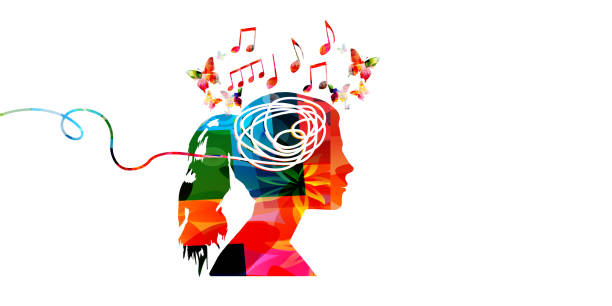
This discovery challenges decades of conventional thinking about aging and brain health, emphasizing the brain’s remarkable capacity for self-preservation when it is regularly engaged through music.
Researchers used brain imaging to compare lifelong musicians to non-musicians and found dramatic differences.
Musicians in their sixties displayed neural efficiency and gray matter volume similar to people decades younger.
This effect was especially visible when the participants were asked to understand speech in noisy environments, a common struggle for older adults.
While non-musicians showed overactive brain responses—working harder to process the same information—musicians demonstrated calm and efficient neural pathways, suggesting that their brains had built a kind of endurance through years of musical training.
The implications of these findings reach far beyond the concert hall.
Playing an instrument engages multiple regions of the brain at once, including those responsible for movement, hearing, memory, and emotion.
This multifaceted activation strengthens neural connections and fosters what scientists call “cognitive reserve,” the brain’s ability to resist damage and decline over time.
Perhaps most encouragingly, these benefits are not limited to those who began playing music as children.
A Japanese longitudinal study followed older adults who started learning instruments later in life and found that even beginners could reap significant long-term benefits.
After several years, participants who continued to play showed preserved memory and slower brain shrinkage, especially in regions tied to movement and recall.
Those who abandoned their practice, however, saw the typical signs of aging reappear.
This suggests that consistency, rather than talent, is the key to music’s protective power.
The mechanism behind this phenomenon lies in how music stimulates communication between brain regions.
Every note played requires the coordination of auditory feedback, fine motor control, and emotional interpretation.
Over time, this builds a more resilient neural network—one that can better withstand the disruptions that often accompany aging or neurodegenerative disease.
Experts believe this kind of stimulation mirrors the effects of learning new languages or solving complex problems, both of which have been linked to lower dementia risk.
The broader message of this research is one of empowerment.
Rather than waiting for pharmaceutical breakthroughs, individuals can take proactive steps to preserve their cognitive vitality.
Engaging with music—whether through playing an instrument, singing, or even active listening—offers a natural, joyful path to strengthening the mind.
It represents a shift from treatment to prevention, from reacting to decline to nurturing resilience.
In a time when neurodegenerative diseases are on the rise, this evidence provides hope and clarity.
The rhythm, harmony, and mental challenge of music are not mere entertainment; they are an investment in long-term brain health.
Even brief, regular practice can build the foundation for a more connected and enduring mind.
The science is clear: each note you play may be a small act of preservation, helping your brain stay sharp, balanced, and youthful.
So whether you’re picking up a forgotten instrument or discovering one for the first time, it’s never too late to let music become your medicine.