
Modern living introduces a complex mix of environmental, dietary, and chemical exposures that can challenge the body’s natural systems of repair and renewal.
From the food we eat to the air we breathe, these subtle burdens accumulate quietly, often leading to fatigue, poor digestion, or inflammation long before disease develops.
A growing body of research in both integrative and preventive medicine underscores that detoxification is not a trend, but a biological necessity—one that supports the liver, kidneys, and colon as they process waste, regulate metabolism, and sustain immune function.
While the body is remarkably efficient at filtering these substances, chronic exposure can overwhelm its natural defenses.
True detoxification begins with awareness and gentle, consistent support of the body’s natural pathways.
The liver is the body’s biochemical hub, responsible for breaking down toxins, producing bile, and maintaining healthy cholesterol balance.
Studies have shown that diets rich in cruciferous vegetables, such as broccoli and kale, help activate enzymes that enhance liver detoxification and reduce oxidative stress.
This synergy between diet and cellular health helps explain why nutrient-dense, plant-based foods remain a cornerstone of preventive medicine.
Hydration also plays a vital role in maintaining kidney function and supporting the body’s filtration systems.
Even mild dehydration can strain the kidneys and increase fatigue.
A steady intake of clean, mineral-rich water supports electrolyte balance and efficient waste elimination.
Adding natural electrolytes—such as a small amount of sea salt or lemon juice—can improve cellular hydration and restore energy.
Physical movement complements internal cleansing by activating the lymphatic system, which relies on muscle contractions rather than a central pump to circulate immune cells and remove waste.
Gentle exercises such as walking, yoga, and stretching can significantly enhance lymphatic flow and oxygen delivery throughout the body.
Integrative medicine also explores mindfulness and stress reduction as essential components of detoxification.
Chronic stress elevates cortisol, a hormone that when persistently high, disrupts digestion, suppresses immune function, and slows the body’s ability to eliminate toxins.
These approaches underscore a key insight from both ancient healing systems and modern science: the mind and body detoxify together.
When it comes to nutrition, focusing on unprocessed, whole foods creates a foundation for long-term resilience.
Leafy greens, herbs like parsley and cilantro, and antioxidant-rich fruits provide the vitamins and minerals needed for cellular repair.
Fermented foods such as kimchi and yogurt contribute beneficial bacteria that support gut health, another essential component of the body’s detox network.
At the same time, minimizing refined sugars, industrial seed oils, and artificial additives reduces metabolic strain and inflammation.
Together, these practices foster what researchers call “metabolic flexibility”—the body’s ability to efficiently shift between energy sources and recover from stress.
While modern medicine excels in acute care, preventive strategies like detoxification and mindful nutrition empower individuals to take ownership of their health.
The focus shifts from treating illness to cultivating vitality—one intentional choice at a time.
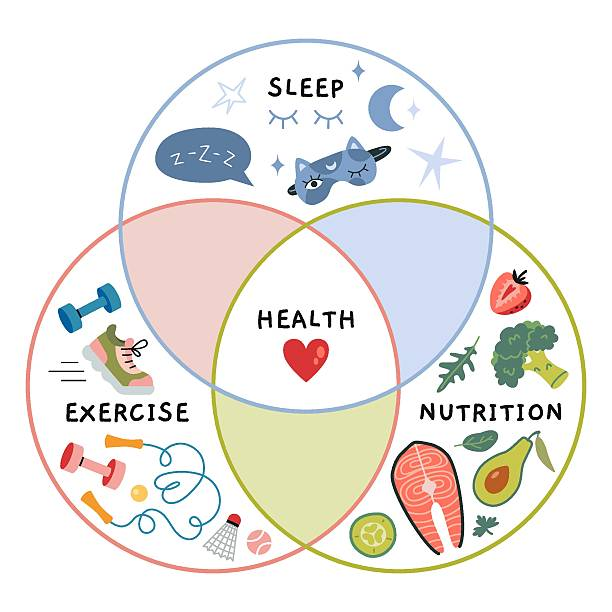
Simple steps such as drinking clean water, eating whole foods, and creating moments of calm can restore balance to the systems that keep us alive and thriving.
Health is not achieved through extremes but through consistency and care.
By aligning modern scientific understanding with timeless principles of nourishment and rest, you can support your body’s natural ability to cleanse, repair, and renew.
Each mindful habit becomes an act of quiet restoration—an affirmation that lasting wellness begins within.