
In an age when chronic illnesses dominate global health discussions, few organs work as quietly yet as tirelessly as the kidneys.
These paired organs, often overlooked, are not only the body’s filtration system but also the regulators of balance, vitality, and longevity.
Ancient healing traditions and modern medical science are beginning to agree on one truth—kidney health is foundational to overall wellness.
Chronic kidney disease, or CKD, remains one of the most underdiagnosed conditions worldwide.
Many people discover they have it only in advanced stages when symptoms such as fatigue, swelling, or changes in urination become too pronounced to ignore.
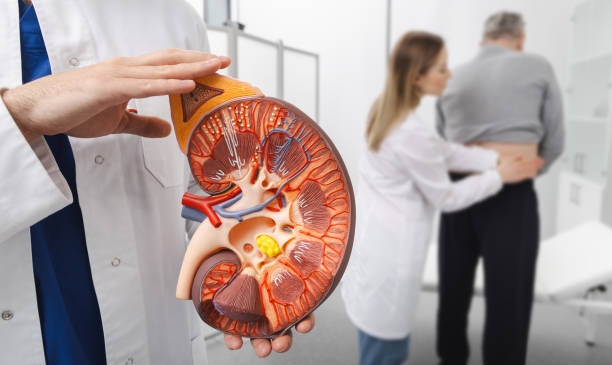
The key to prevention lies in awareness, lifestyle balance, and early intervention.
Western medicine defines the kidneys primarily through their measurable functions: filtering waste, maintaining blood pressure, and stabilizing electrolytes.
Traditional Chinese Medicine, or TCM, expands that understanding, viewing the kidneys as the root of vitality—governing not only water balance but also the bones, marrow, hearing, and reproductive energy.
In this holistic framework, symptoms like tinnitus, brittle bones, or lower back weakness are not isolated issues but interconnected signs of diminished kidney energy, or “jing.”
Modern nutrition science has also joined this conversation, validating many food-based strategies long emphasized by traditional healing systems.
Legumes, such as lentils and soybeans, have been associated with a lower risk of kidney disease progression due to their plant-based proteins and fiber content.
Black sesame seeds, rich in magnesium, may support nerve and muscle function while reducing nighttime urination—a common symptom of kidney strain.
Cranberries, long valued in folk medicine, have demonstrated measurable benefits in reducing urinary tract irritation and frequency.
This alignment between empirical research and ancient practice illustrates how deeply nutrition can influence renal resilience.
Lifestyle, too, remains a central determinant of kidney health.
The same habits that safeguard the heart—steady blood pressure, balanced blood sugar, and consistent physical activity—also protect the kidneys.
Hydration is essential, yet moderation is key; overhydration can stress impaired kidneys just as dehydration can hinder their detoxifying role.
Limiting non-steroidal anti-inflammatory drugs, or NSAIDs, is another critical step, as long-term use can damage the delicate vessels within the kidneys.
Quitting smoking improves circulation and slows disease progression, offering measurable protection to these highly vascular organs.
Where Western protocols rely on diagnostics and medication, TCM contributes a preventive dimension rooted in self-care and body awareness.
Simple acupressure routines, such as stimulating the “shenshu” point along the lower back or the “fuliu” point along the inner leg, are believed to invigorate kidney energy and ease fatigue.
Although modern research into acupressure remains ongoing, early evidence suggests these methods can enhance circulation and reduce stress—a physiological state that benefits the kidneys indirectly.
The synthesis of traditional insight and scientific validation points to an empowered, preventive model of kidney care.
Rather than waiting for symptoms to appear, individuals can adopt a daily rhythm that honors the kidneys’ quiet labor—choosing foods that nourish, practices that restore balance, and habits that protect their filtering power.
In doing so, one transforms kidney health from a medical afterthought into a cornerstone of lifelong vitality.
When ancient wisdom and modern science converge, they remind us of a simple truth: the best medicine begins with mindful living.