
Managing blood sugar effectively is central to living well with diabetes, and understanding the latest metrics can help you gain a clearer picture of your daily glucose control.
Time in Range, or TIR, is a newer measurement that shows the percentage of time your blood sugar stays within your target range, as agreed upon with your healthcare team.
Unlike A1C, which provides a three-month average, TIR captures fluctuations throughout the day, giving a more precise understanding of daily management and identifying periods of high or low glucose that may require attention.
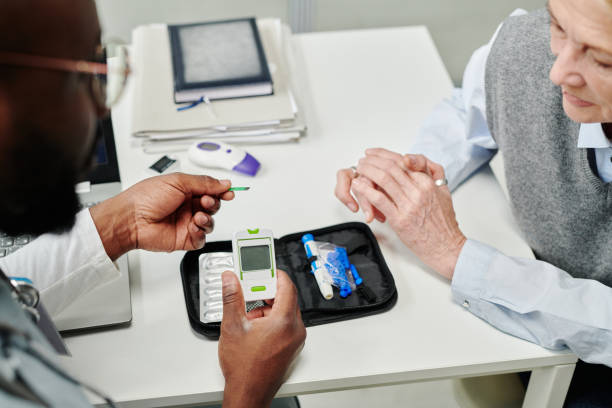
The use of continuous glucose monitors, or CGMs, makes tracking TIR practical, though individuals performing multiple fingerstick checks each day can also estimate time spent within target ranges.
Research has shown that TIR provides valuable insights beyond the A1C alone because it highlights glucose variability, which is linked to the risk of complications such as retinopathy, neuropathy, and cardiovascular disease.
As noted in a recent review published by Diabetes Care.
Two people may have identical A1C results yet experience very different patterns of blood sugar highs and lows, illustrating why TIR can reveal risks that a simple average might mask.
For many adults with diabetes, maintaining a TIR of at least 70 percent within the range of 70 to 180 mg/dL is considered a practical goal, though individual targets can vary depending on age, type of diabetes, pregnancy status, and medications used.
The American Diabetes Association has included guidance on TIR in its Standards of Care since 2019, reflecting the growing recognition of its clinical importance for monitoring daily glucose patterns and informing treatment adjustments.
Beyond personal management, TIR is increasingly used in research and clinical trials to evaluate the effectiveness of medications, technologies, and lifestyle interventions.
For instance, researchers developing new treatments for type 2 diabetes and related complications such as retinopathy often include TIR alongside A1C measurements to provide a more nuanced understanding of glucose control throughout the day, as highlighted in a 2024 study from the Journal of Diabetes Science and Technology.
Tracking TIR allows both patients and healthcare teams to make informed decisions about insulin dosing, meal planning, exercise timing, and other lifestyle factors, creating a personalized approach to glucose management.
It also provides immediate feedback on how daily habits influence blood sugar, encouraging behavioral changes that can improve overall health outcomes and reduce long-term complications.
Ultimately, Time in Range complements traditional metrics like A1C by offering a dynamic view of blood sugar control rather than a static average.
By paying attention to TIR, people with diabetes gain actionable insights, helping them adjust routines, understand variability, and better support their long-term health.
Incorporating this measurement into daily care empowers individuals to take a more proactive role in managing their diabetes and achieving a more balanced, stable glucose profile.