
Stress has become a near-constant companion in modern life, but few realize how profoundly it shapes the way the body ages.
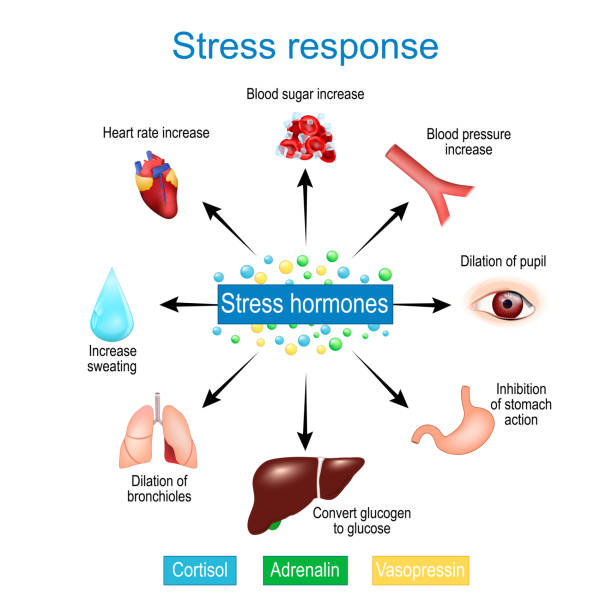
The hormone cortisol, produced by the adrenal glands, plays a pivotal role in how the body responds to daily pressure.
While cortisol is essential for energy and alertness, chronic elevation turns this survival mechanism into a silent accelerator of biological aging.
Research published in Nature Aging indicates that individuals with persistently high cortisol levels show faster declines in immune function, greater loss of muscle mass, and shortened telomeres—the protective caps on chromosomes that determine cellular lifespan.
This shift reveals how stress is not just emotional but deeply physical, influencing metabolism, body composition, and even how long we live.
Cortisol follows a natural rhythm, peaking in the morning to energize the body and tapering off by evening to allow rest and recovery.
When this rhythm is disrupted by chronic stress, late nights, or irregular eating, the body loses its metabolic balance.
This imbalance directly impacts another key hormone: leptin.
Leptin signals the brain that the body has enough stored energy, but when cortisol remains high, leptin sensitivity declines.
The brain misinterprets this hormonal confusion as hunger, prompting overeating and fat storage, especially around the abdomen.
A study from the Journal of Clinical Endocrinology & Metabolism found that prolonged cortisol elevation can increase visceral fat accumulation by up to 30 percent, even in individuals maintaining stable calorie intake.
Abdominal fat is far more than a cosmetic concern—it is metabolically active tissue that fuels inflammation throughout the body.
These fat cells release cytokines such as TNF-alpha and IL-6, which trigger chronic low-grade inflammation.
The result is a feedback loop where stress hormones and inflammation continually amplify one another, accelerating cellular damage and increasing the risk of metabolic disorders.
This “metabolic storm” has been identified as a predictor of cardiovascular disease, insulin resistance, and premature aging.
Fortunately, nutritional and lifestyle interventions can help restore hormonal balance and resilience.
Omega-3 fatty acids, found in cold-water fish and algae oils, have demonstrated powerful anti-inflammatory effects.
They help downregulate the production of inflammatory cytokines while improving insulin sensitivity, effectively cooling the body’s internal stress response.
Pantethine, a biologically active form of vitamin B5, supports energy metabolism by promoting efficient fat oxidation.
Calcium also plays a subtle but crucial role.
Adequate intake supports nerve signaling, moderates appetite through neuropeptide regulation, and helps reduce cravings driven by cortisol-induced stress eating.
Beyond nutrients, lifestyle rhythm is the cornerstone of long-term hormonal health.
Establishing consistent sleep patterns, balanced meals, and mindful movement strengthens the body’s circadian integrity—the internal timing system that governs hormonal release.
Practices like yoga, meditation, and deep breathing are not simply psychological tools but physiological regulators, capable of lowering cortisol and restoring parasympathetic balance.
The University of California, San Francisco, reports that just 15 minutes of daily mindfulness practice can significantly reduce cortisol levels and lower blood pressure within eight weeks.
Understanding cortisol’s role allows individuals to transform stress from a source of damage into a catalyst for awareness.
By tuning into the body’s signals—fatigue, cravings, abdominal weight gain—it becomes possible to take proactive steps toward restoration rather than reaction.
Small daily choices, such as choosing nutrient-rich foods, maintaining hydration, or creating consistent routines, slowly reestablish the natural dialogue between the brain and body.
In doing so, stress becomes less of an enemy and more of a teacher—a reminder of the importance of rhythm, recovery, and nourishment.
Longevity, in this sense, is not merely about adding years to life but about extending the vitality within those years.
By learning to regulate cortisol and restore hormonal harmony, we support the body’s innate intelligence—the quiet balance that defines lasting health and graceful aging.