
Underwear is one of the most personal items you wear each day.
It sits closest to your skin, shapes your comfort, and influences how your body feels from morning to night.
Yet, few people stop to think about whether their underwear might actually be impacting their health.
Tight underwear can look sleek and supportive, but it can also create issues when worn too often or in the wrong conditions.
Understanding how fit, fabric, and frequency affect your body can help you make better choices that support both comfort and long-term wellness.
For people with penises, the temperature of the scrotum plays a key role in sperm production.
This doesn’t mean tight briefs are inherently harmful, but if you’re trying to conceive, switching to looser underwear could make a measurable difference.
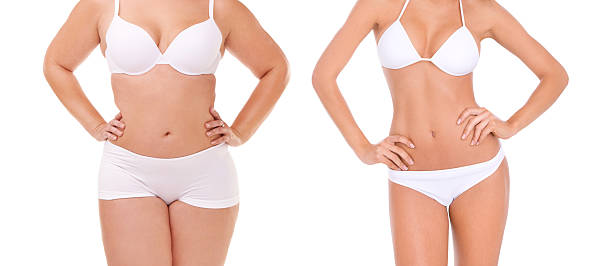
For those with vulvas, the concern shifts from temperature to moisture and airflow.
A 2014 study in the Journal of Obstetrics and Gynaecology Research linked tight-fitting clothing and underwear to a higher risk of yeast infections, as restricted airflow can trap warmth and moisture — creating ideal conditions for bacteria and yeast to thrive Journal of Obstetrics and Gynaecology Research, 2014.
While occasional use of snug garments isn’t a major concern, consistently wearing tight synthetic fabrics or shapewear can irritate the delicate skin of the vulva, increase chafing, and even slow circulation.
Choosing breathable fabrics like cotton or bamboo allows the skin to air naturally and reduces the risk of irritation or infection.
It’s also worth noting that wearing restrictive clothing for long periods can affect more than reproductive health.
According to medical experts at the Cleveland Clinic, compressive garments can interfere with digestion by increasing abdominal pressure, sometimes worsening symptoms like heartburn or bloating Cleveland Clinic, 2022.
This is especially true if you wear tight waistbands or shapewear after eating, as they can push stomach acid upward into the esophagus.
Listening to your body is the simplest guide.
If your underwear leaves deep marks on your skin, causes discomfort when sitting, or feels difficult to remove, it’s too tight.
Good underwear should feel like a second skin — supportive but not restrictive.
If you notice recurring irritation, itching, or infections, it may also be worth consulting a healthcare provider to rule out any underlying conditions.
And if fertility is a goal, adjusting your underwear style could be a simple and natural step toward improving reproductive health.
When it comes to underwear, the goal isn’t perfection but balance.
A pair that fits comfortably, allows for movement, and lets the skin breathe can support both hygiene and confidence.
The best choices are the ones your body doesn’t have to fight against.
Pay attention to what your skin and muscles are telling you.
If comfort fades into pressure, it may be time to loosen the fit — because health always starts from the layer closest to you.