
You might love the look of a sleek, form-fitting outfit that highlights your shape and moves with your body.
It can feel empowering, flattering, and even performance-enhancing during a workout.
But when your clothes start to pinch, restrict, or leave marks, your body may be signaling that the fit is doing more harm than good.
Tight clothing doesn’t just press against the skin — it can interfere with circulation, digestion, and even nerve function over time.
Understanding what “too tight” means for your body can help you stay comfortable, confident, and healthy.
According to the Cleveland Clinic, tight-fitting clothing can lead to a range of physical problems, from nerve compression to digestive distress, especially when worn regularly.
When fabric is stretched tightly around your midsection, it can increase pressure in your abdomen, forcing stomach acid upward and worsening reflux or heartburn.
This effect is sometimes called “tight pants syndrome,” and it’s particularly uncomfortable for people who already deal with conditions like GERD or IBS.
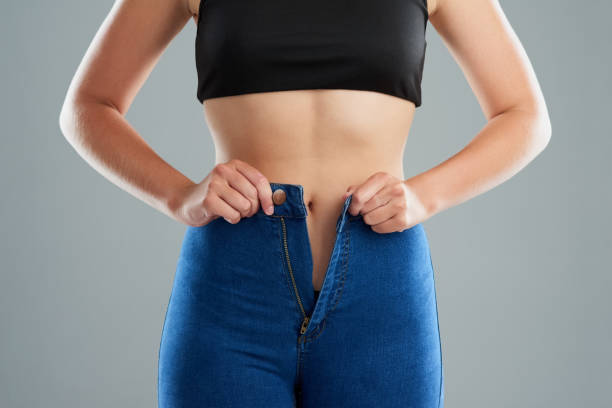
If you notice bloating, heartburn, or discomfort after eating while wearing snug jeans or shapewear, your outfit might be contributing more than you think.
The effects aren’t limited to digestion.
Clothing that compresses the thighs, waist, or chest can also affect your nerves and muscles.
These sensations may come and go at first but can worsen with repeated compression.
Even undergarments and athletic wear can have unexpected impacts.
Sports bras or compression leggings that fit too tightly can cause chafing, restrict breathing, or trap moisture close to the skin.
When combined with sweat, this creates an ideal environment for yeast and bacterial overgrowth, especially in warm, humid areas of the body.
Experts at Harvard Health note that breathability matters when it comes to preventing infections — moisture-wicking fabrics and looser fits can reduce irritation and lower the risk of fungal or bacterial issues.
That doesn’t mean you have to give up tight clothing altogether.
Occasionally wearing fitted outfits isn’t likely to cause long-term harm.
The key is moderation — allowing your body to breathe, stretch, and circulate freely most of the time.
If you experience discomfort, numbness, redness, or marks that linger after undressing, it may be a sign to loosen up.
Prioritize fabrics that move with you rather than against you, and make sure your clothes allow for natural movement and airflow.
Health-conscious fashion isn’t about rejecting style — it’s about making choices that support your body’s natural function while still expressing your personality.
By understanding how tight clothing interacts with your body, you can make mindful wardrobe decisions that keep you both stylish and healthy.
Comfort, after all, is a sign of balance — and your body always knows when something’s not quite right.